
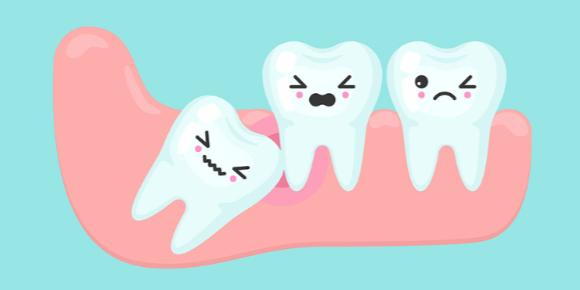
Impacted teeth are a common dental concern that can lead to pain and potential complications if left untreated. Understanding what impacted teeth are, the symptoms, causes and treatment can help you maintain optimal oral health, so let's take a closer look!
What Are Impacted Teeth?
An impacted tooth is a tooth that doesn't fully emerge or erupt from the gums due to an obstruction, lack of space, or abnormal growth direction. Any tooth can be impacted, however, wisdom teeth (third molars) are the most commonly affected because they are the last to develop and often have limited space in the jaw when they finally do emerge.
Causes of Impacted Teeth
- Lack of space in the jaw: The jaw may not have enough room to accommodate all teeth, causing some to remain trapped beneath the gums.
- Abnormal growth direction: Teeth may grow at an angle instead of straight up, leading to impaction.
- Genetic factors: Family history may play a role in dental impaction, affecting tooth size, shape, and jaw structure.
- Overcrowding: A small jaw or excessive teeth can prevent proper eruption.
- Gum tissue blockage: Thick or excessive gum tissue may prevent a tooth from breaking through the surface.
Symptoms of Impacted Teeth
While some impacted teeth may not cause immediate issues, others can lead to noticeable symptoms such as:
- Pain in the jaw or tenderness in the gums
- Swelling or redness in the affected area
- Difficulty chewing or opening your mouth
- Bad breath (halitosis) or an unpleasant taste due to trapped bacteria or food remnants at the impacted tooth site
- Headaches or ear pain
- Cysts or infections, if left untreated
Diagnosis and Treatment Options
A dentist can diagnose impacted teeth through a physical examination and dental x-rays, which reveal the position of the teeth and any underlying issues.
Impacted Teeth Treatment Approaches:
- Monitoring: If an impacted tooth isn't causing pain or complications, a dentist may choose to monitor it over time.
- Pain Management: Over-the-counter pain relievers, warm saltwater rinses, and good oral hygiene can help alleviate discomfort.
- Extraction: In most cases, especially with wisdom teeth, extraction is the recommended treatment to prevent future dental problems.
- Orthodontic Treatment: In some cases, braces or other orthodontic appliances may be used to guide impacted teeth into their correct position.
- Surgical Exposure: For certain teeth (such as canines), a minor surgical procedure may be necessary to help them emerge properly.
Preventing Impacted Teeth
While impacted teeth are not always preventable, regular dental check-ups and early dental x-rays can help identify potential issues before they become problematic. Ensuring you maintain good oral hygiene and addressing teeth crowding or teeth misalignment issues early can also reduce the risk of complications.
Impacted teeth can cause discomfort and potential oral health problems, but with a proper diagnosis and treatment, these issues can be effectively managed. If you suspect you have an impacted tooth, contact us to schedule your visit or consultation today.